
I arrived late on Saturday night, no idea what to expect! It was hot and muggy, even 11 at night.
Penang has been on my list for years, ever since Mum talked about it when I was a teenager, having visited Kuala Lumpur a couple of years ago, I sort of knew what it may be like, but it was still a new place.
I checked in to my hostel and realised straight away that it was going to be different to what I was expecting, there was limited communal space, just a sofa in the lobby area, and no kitchen facilities. Got into my room and although it was nice, clean and modern, it had no window – I could have cried, but that was because I was tired and still wondering what I was doing!
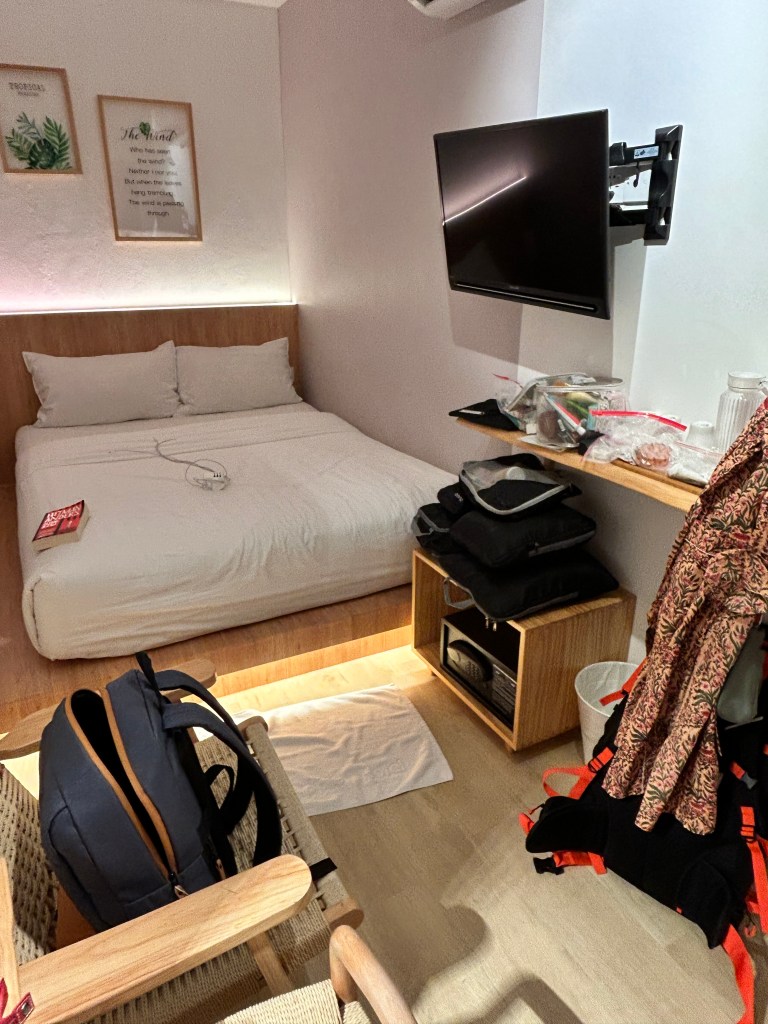

It is a compact room but has everything and the bed is wonderfully comfortable. The bar next door was really noisy until about 3am but it was only like that the one night, the rest of this week has been fine. The thing about not having a window is that you have no idea what time it is, whether it’s day or night so I clocked watched a lot whilst trying to sleep.
I had done some research on the island, the history and layout and read that there is a free bus Central Area Transit (CAT) that goes around Georgetown, so I thought that for day 1, it would be a good idea to sit along the whole route to get my bearings.
Penang is a UNESCO world heritage site and hugely multicultural, due to the trading connections and the surrounding deep harbour. Before the 18th century, Penang Island was part of the Sultanate of Kedah, across on the mainland. Chinese, Portuguese and British expeditions came and went with little change.
During the 1770’s, Siam and Burma became a threat to the area and the British East India Company and offered military support via Francis Light who had been sent to the Malay Peninsula to try and establish trade with the area.
Once order was restored, Penang Island was offered to Light as a reward and the BEIC took possession in 1786 in the name of King George III.
Early 19th century, having free-port status, Penang became the premier trading post in the region. The spice trade began to grow and Penang became the centre for the trade which in turn attracted a number of immigrants including Chinese, Japanese and Indians.
During WW2 Japan occupied Penang but the British regained control in 1945 and merged with Malaysia which gained independence in 1957. The historic city of Georgetown was designated a UNESCO site in 2008.
Penang is Malaysia’s leading economy including an electronics supply chain industry, apparently Intel has its’ second largest manufacturing base here, and aircraft grade petroleum, state owned Petronas sponsors the Mercedes F1 team!
Walking around Georgetown is an incredible sight, I have never been to place that is so intrinsically multi cultural and on a street you can find a mosque, temple and Chinese clan house – I absolutely love the place!
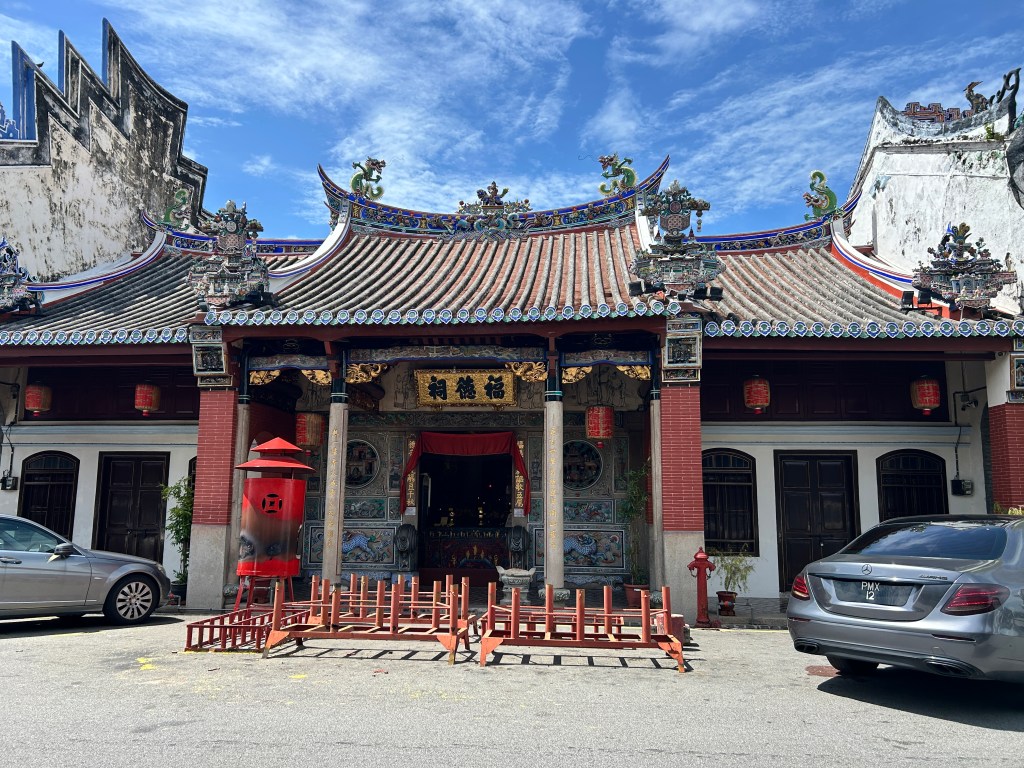
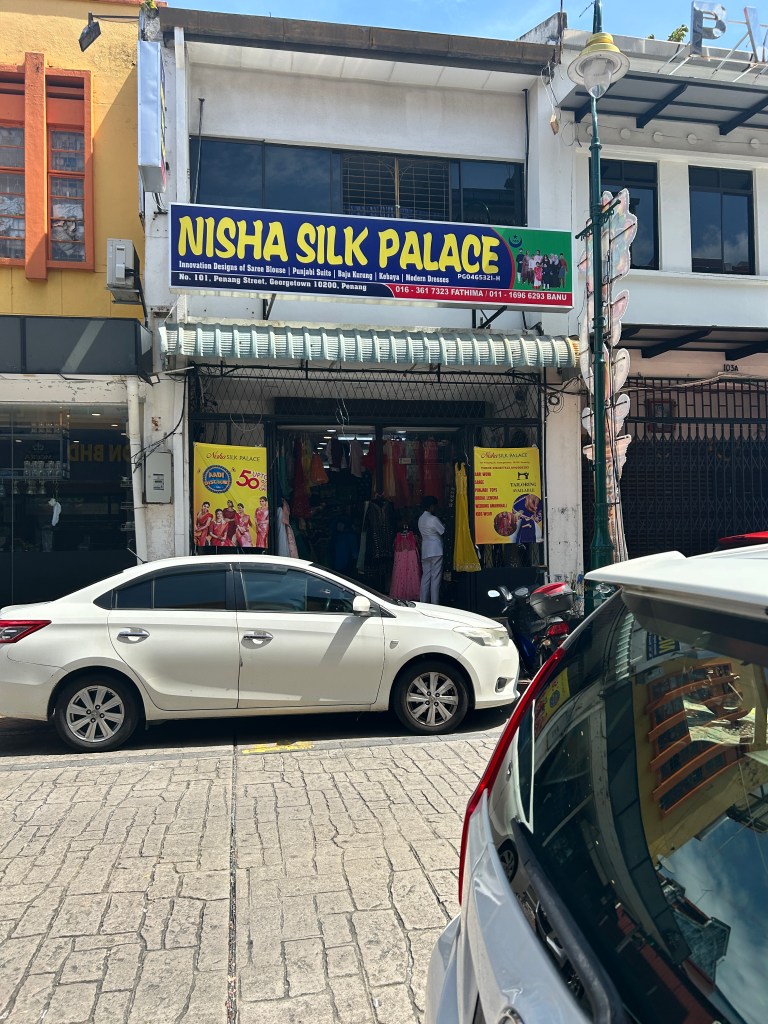

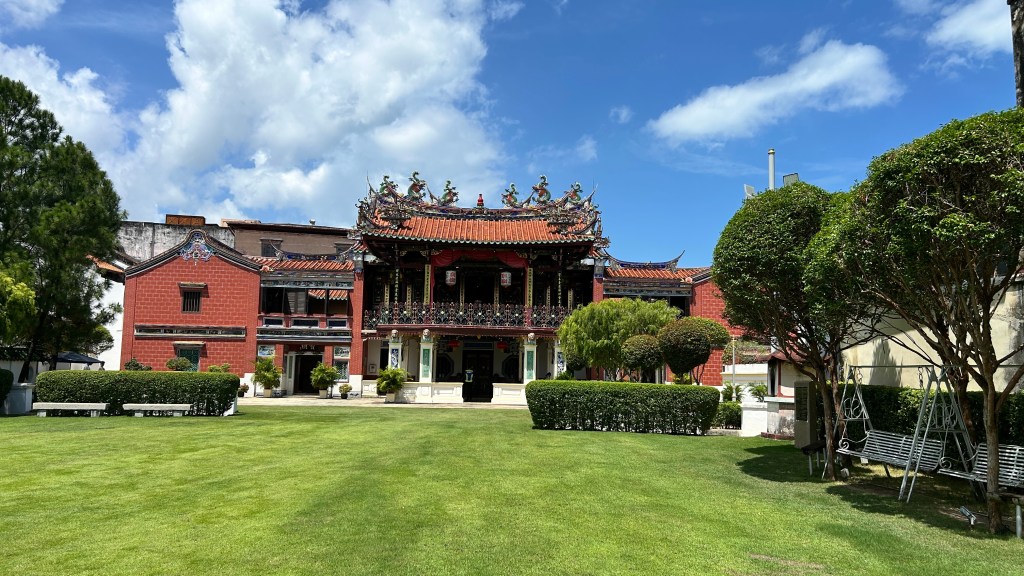
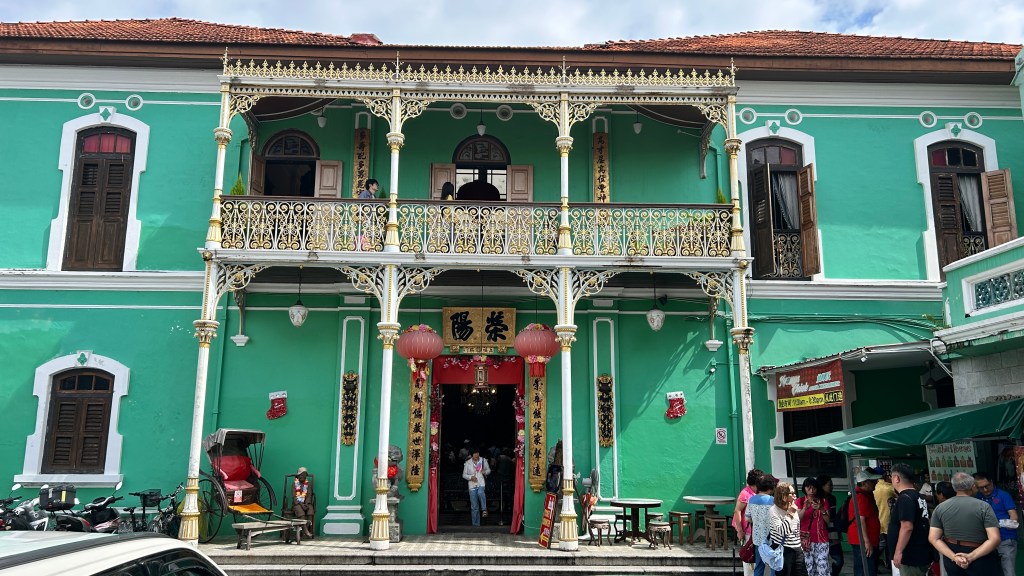
These are some of the buildings that I visited, showing the breadth of culture.
After sitting on the CAT bus for most of Sunday morning, I decided to get off at the stop closest to Armenian Street, called that due to the Armenian traders who lived there. The Chinese later took over the street and built clan houses and the area became notorious for triad activities.
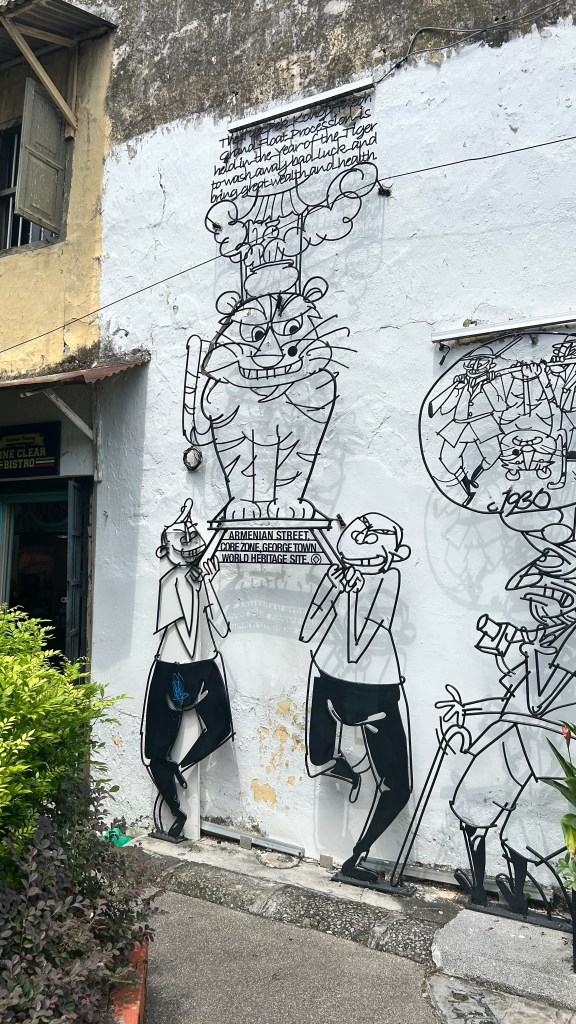
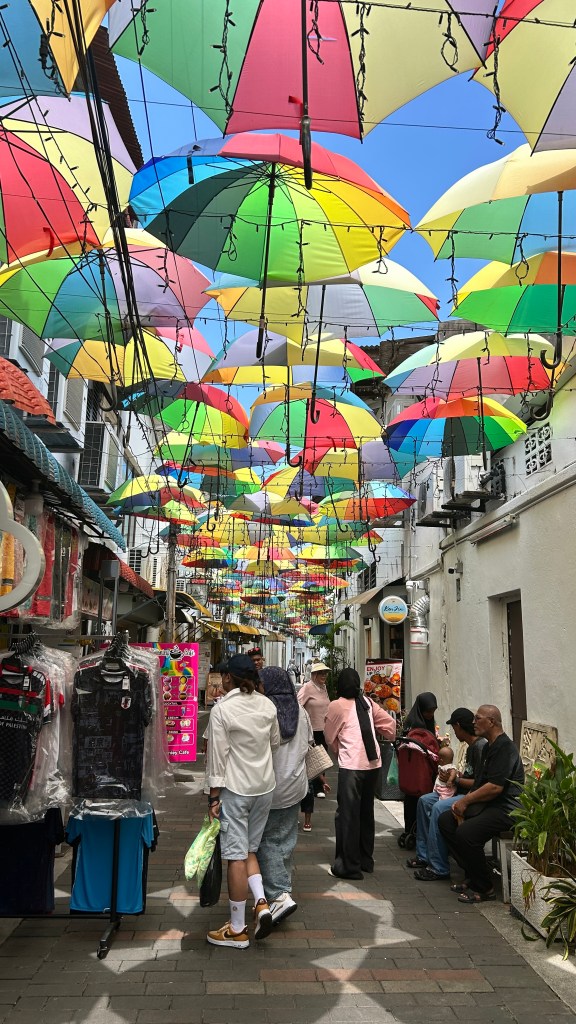
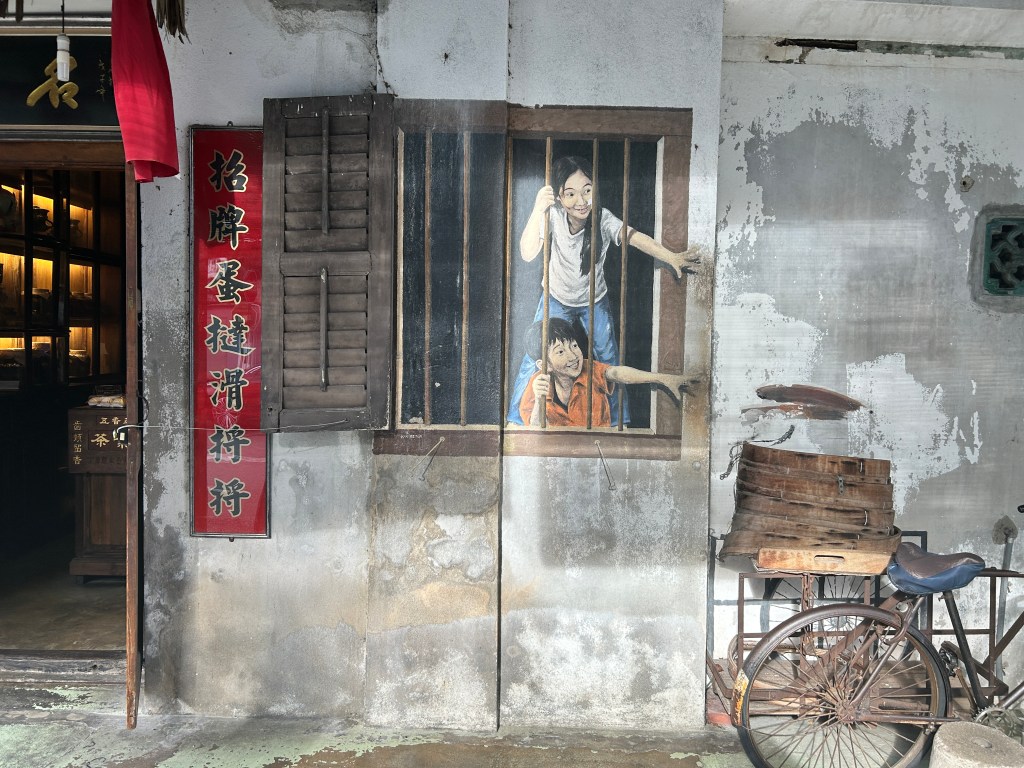
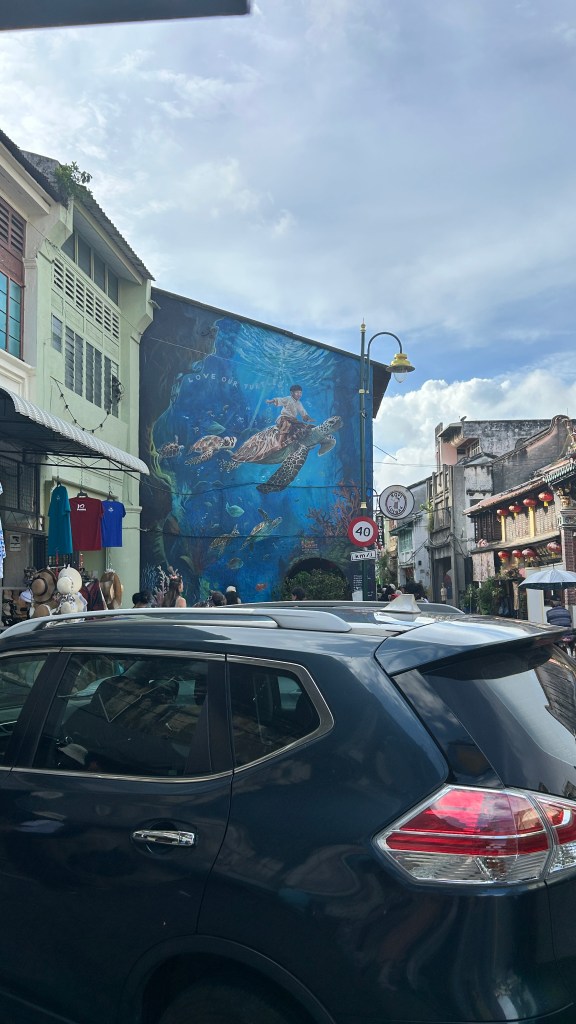
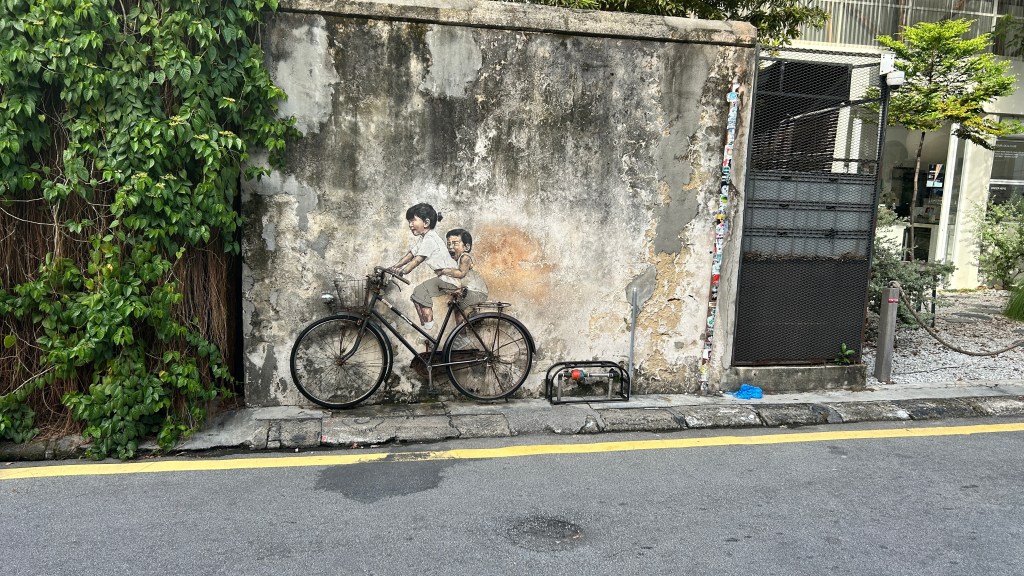
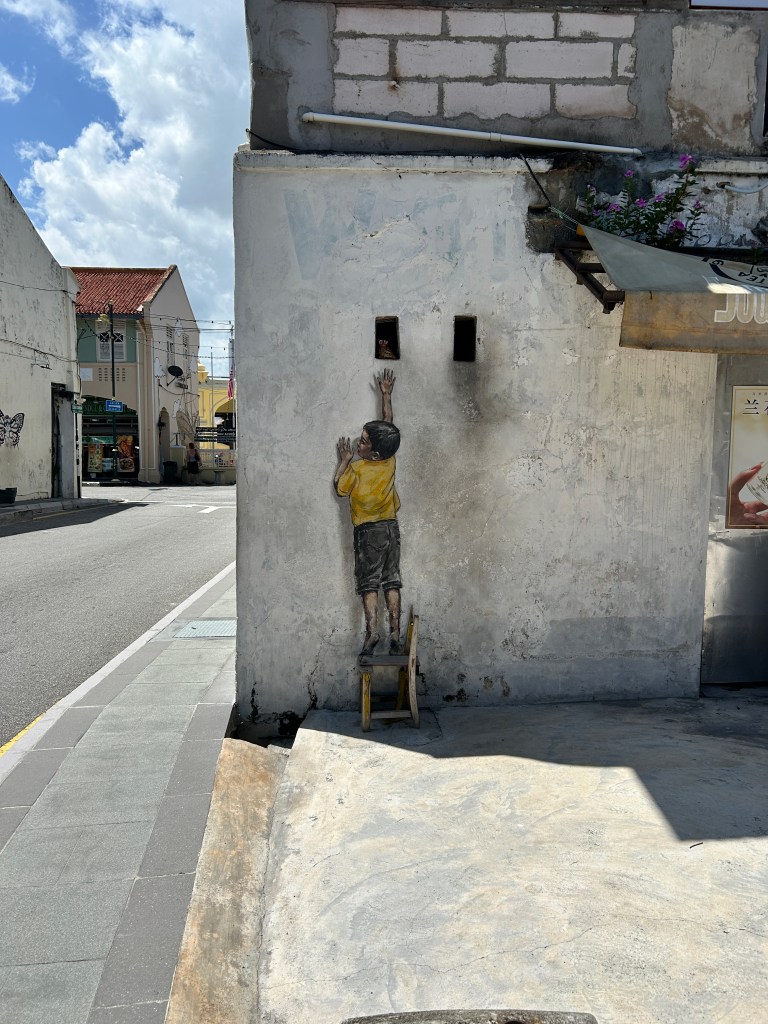

The street has become famous for its street art, above, the most famous one is ‘Children on a Bicycle’ by Ernest Zacharevic, Malaysia’s ‘Banksy’. The area has a cool vibe, obviously very touristy but fun to wander around.
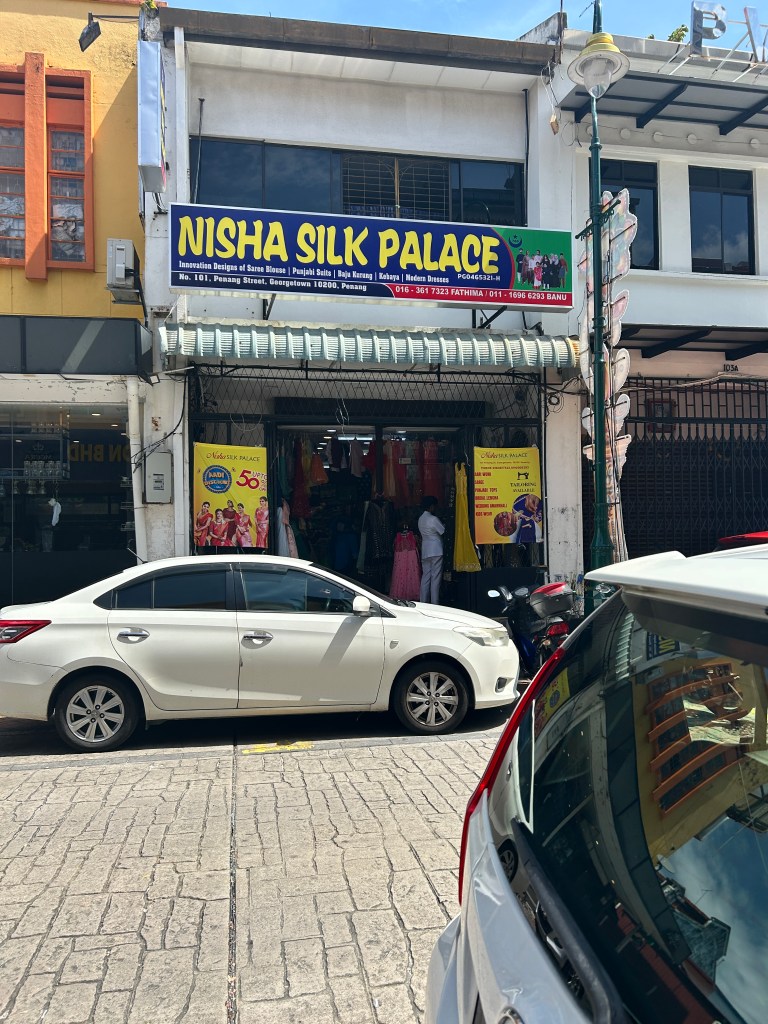
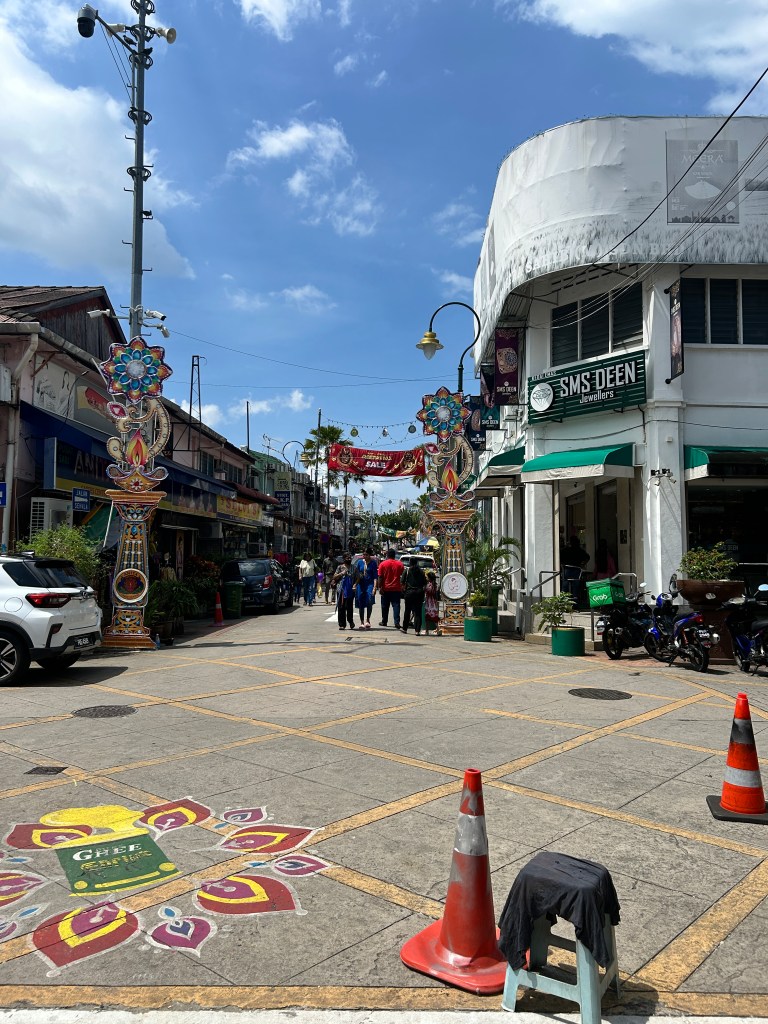
Around the corner from there is Little India, loud music, delicious food smells and traffic…just like being in India. I went into the spice shops, clothing stores and gold shops, did not buy anything!
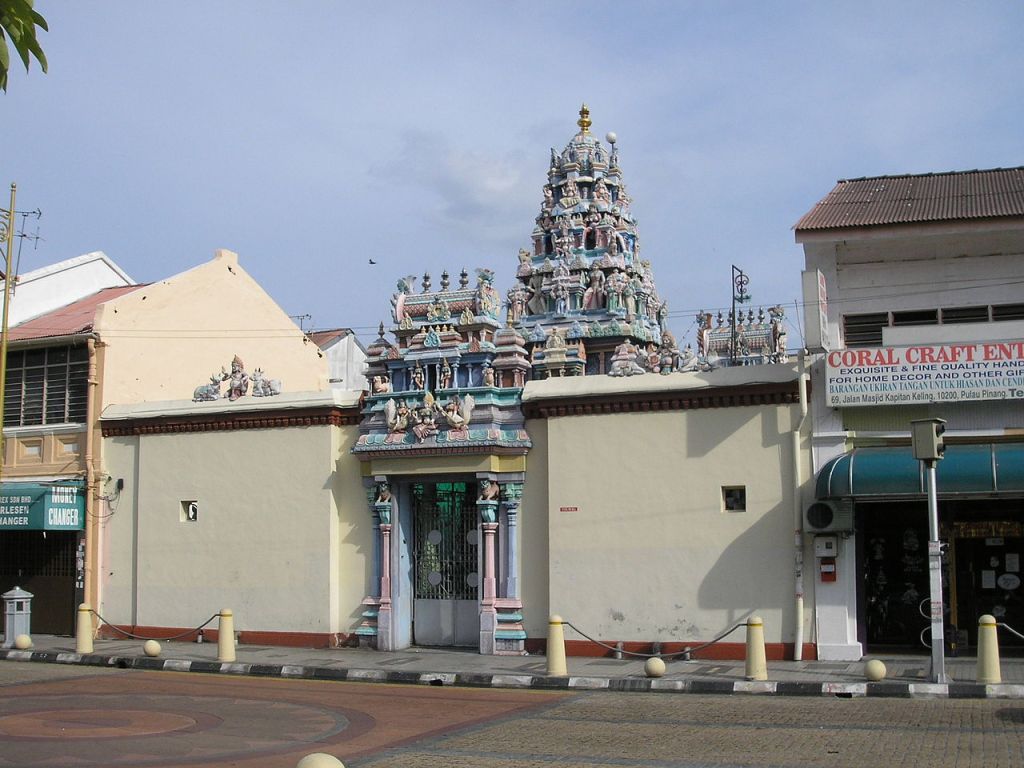
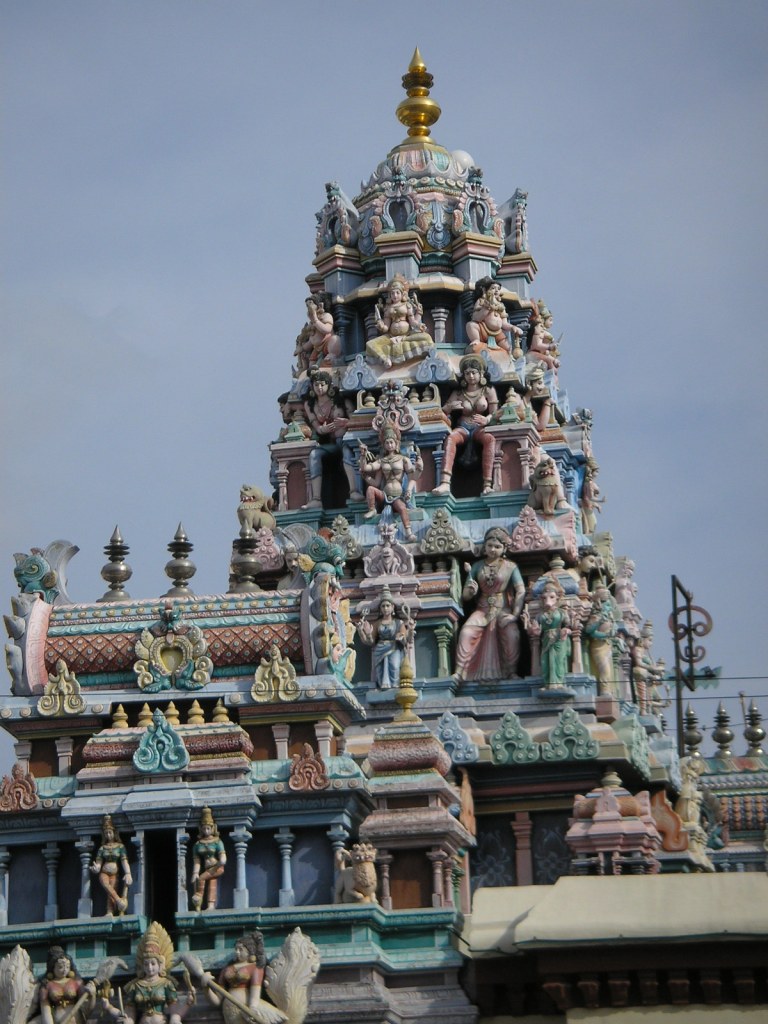
It is mainly home to Tamils, from the south of India, although they have been in Penang for generations. The oldest Hindu temple in the state is here, Sri Mahamariaman Temple, and was built in 1833 in a very South Indian style.

Buildings and Architecture
As Rajiv and Ajay know too well, I love old houses, buildings and the history behind them, and Penang has loads of them! Georgetown itself has really old architecture, reminded me of the ’portici’ of Bologna, sort of arches over hanging from the 1st floor so you can walk under them, useful to keep out of the sun and rain. The other parts of the island are quite modern and built up with high rise blocks.
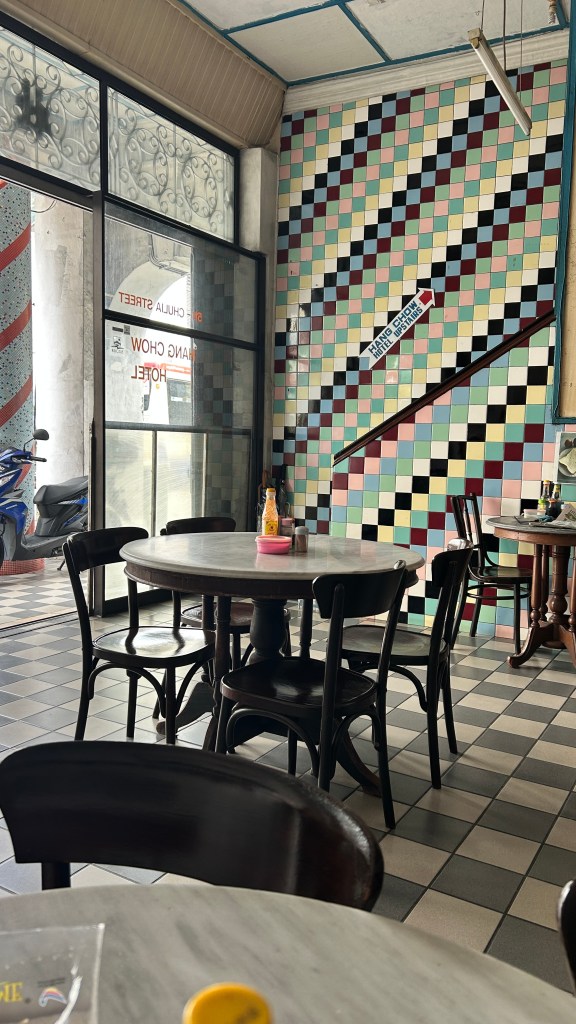
On the second day, Monday, I went to Hang Chow Coffee Shop for breakfast, it is an old fashioned place downstairs from a hotel. It was a fascinating room, almost expected Grahame Greene or Michael Caine t come down the stairs, although The Quiet American was about Vietnam, the coffee shop had some of the film vibes.




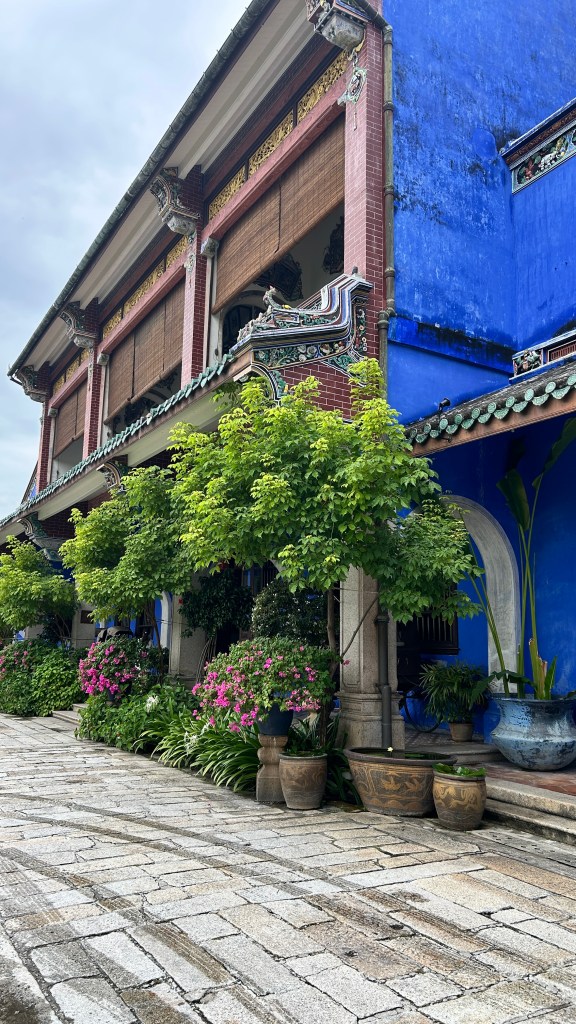
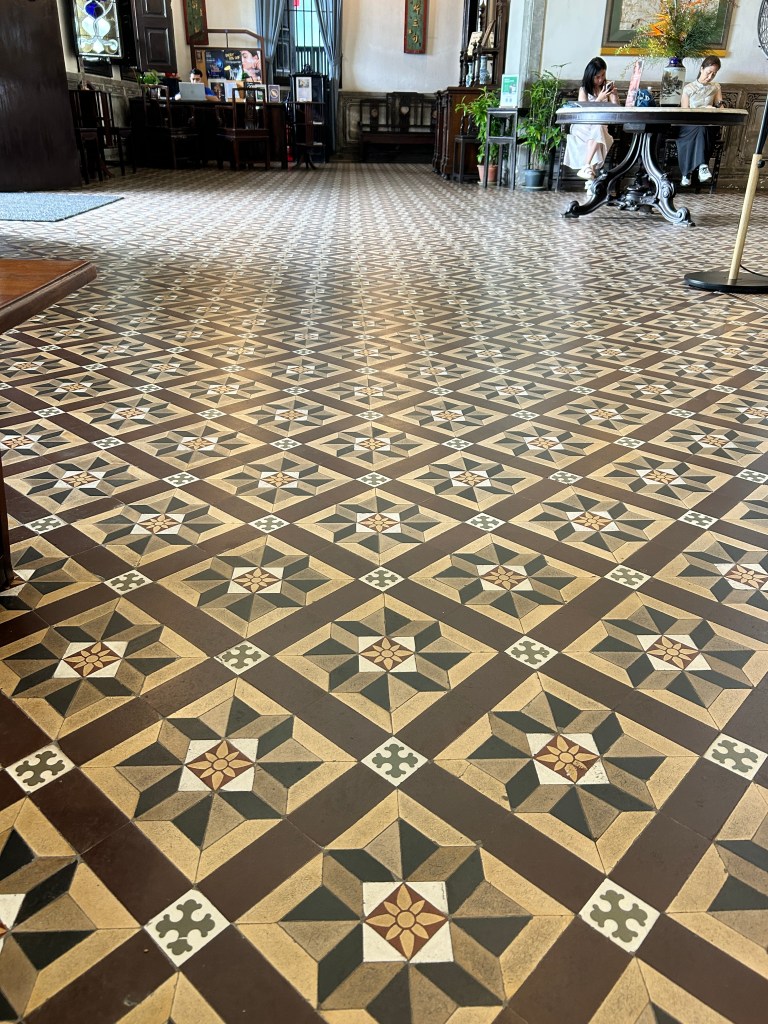
Cheong Fatt Tze Mansion
Cheong Fatt Tze was the ‘Rockefeller’ of his time, who left China in 1856 to find his fortune. His Father in Law gave him a loan and he started small and went on to invest in banks, glassware, cattle and textiles and ended up providing shipping between US and China. He also founded a winery in China in 1892.
He wanted to built a legacy home to preserve his heritage and culture and that became The Blue Mansion, built by artisans from China and supplies from Scotland. After he died in 1916, the mansion fell in to disrepair. He had left money for the upkeep and wrote into the will that he wanted it to stay in the family until the last descendant died. When his last sone died, a group of preservationists bout the house and took 6 years to restore it. It is now a boutique hotel but the public can visit certain areas – for a fee!
It is a most stunning indigo colour and built in traditional Chinese style, right down to using a Feng Shui master. I loved walking along the corridors, trying to imagine what it would have been to live there in comfort and splendour.




Leong San Tong Khoi Kongsi
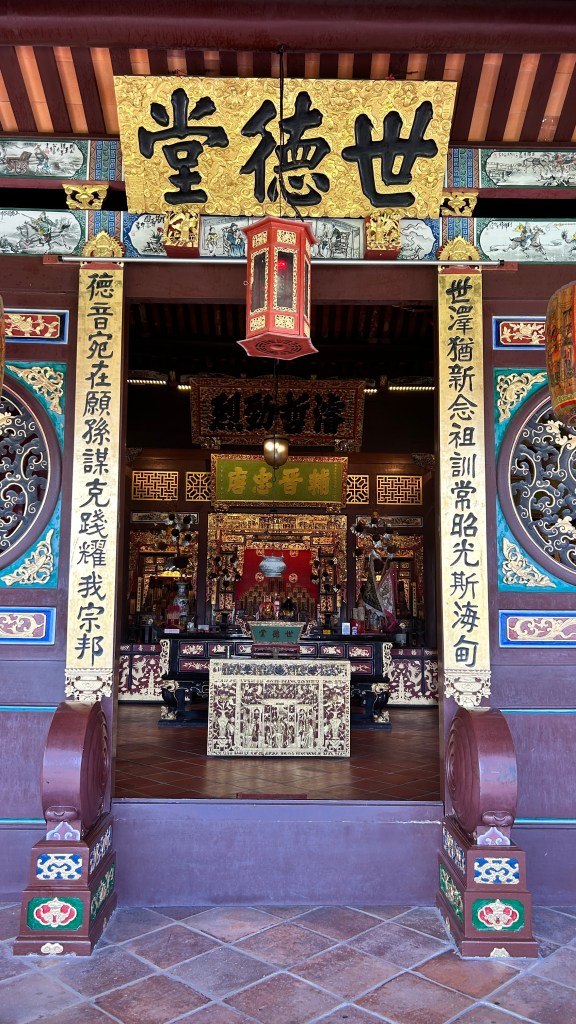
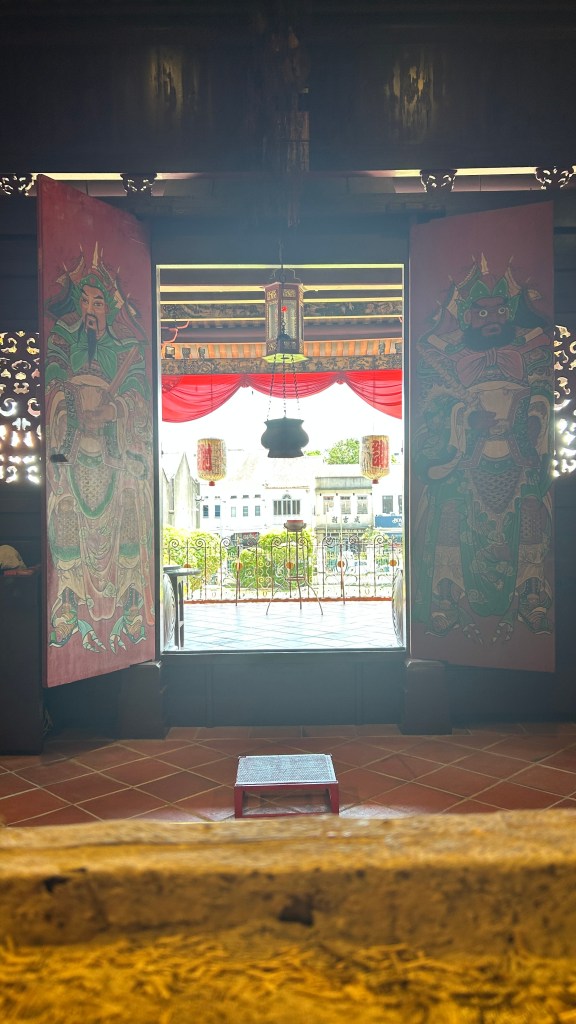
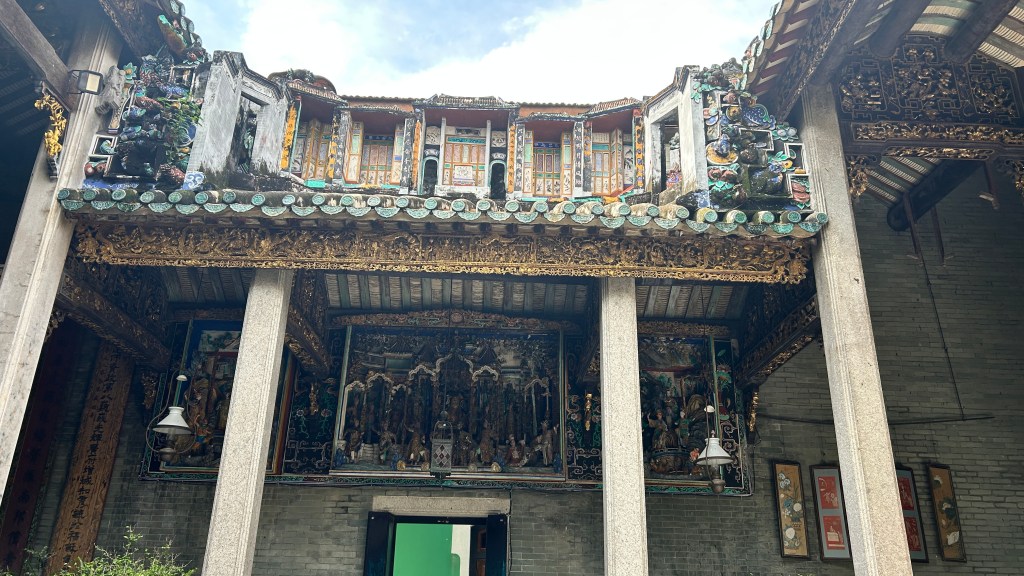
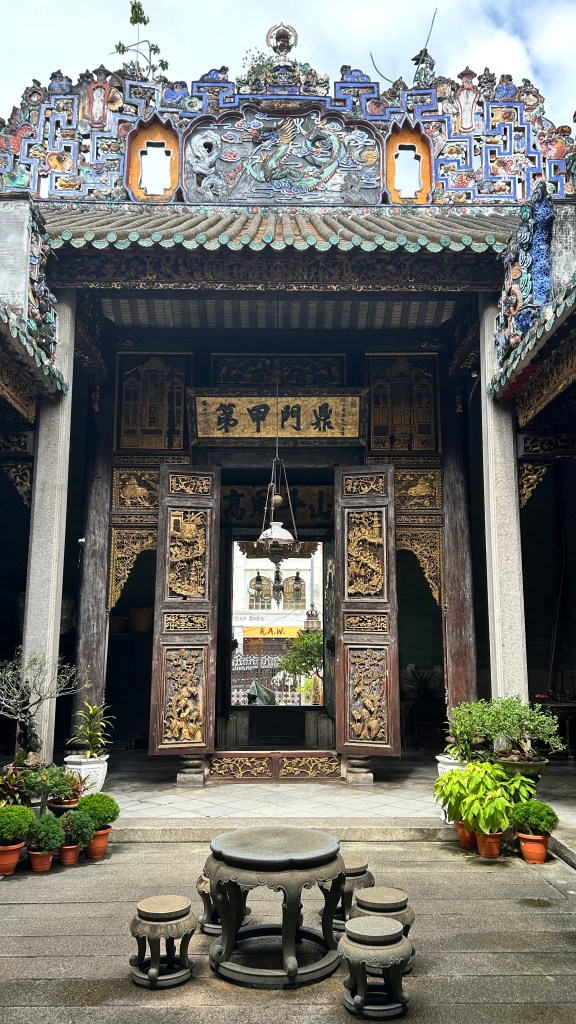
The current Leong San Tong Khoo Kongsi was built in 1906. is the largest and grandest Hokkien clan house in Malaysia.
The forefathers of the Khoo family who emigrated from South China built it as a clanhouse for members of the Khoo family in 1851 on land where stood an English owned bungalow . It was burnt down in 1901, allegedly struck by lightning, and the Chinese believed that it was due to its resemblance to the Emperor’s palace, which provoked the gods. A scaled-down version was later built in 1902 and completed in 1906. It has lots of intricate Chinese carvings master craftsmen from Southern Fujian were used. It is a gorgeous building with so much history..


Pinang Penarakan Mansion
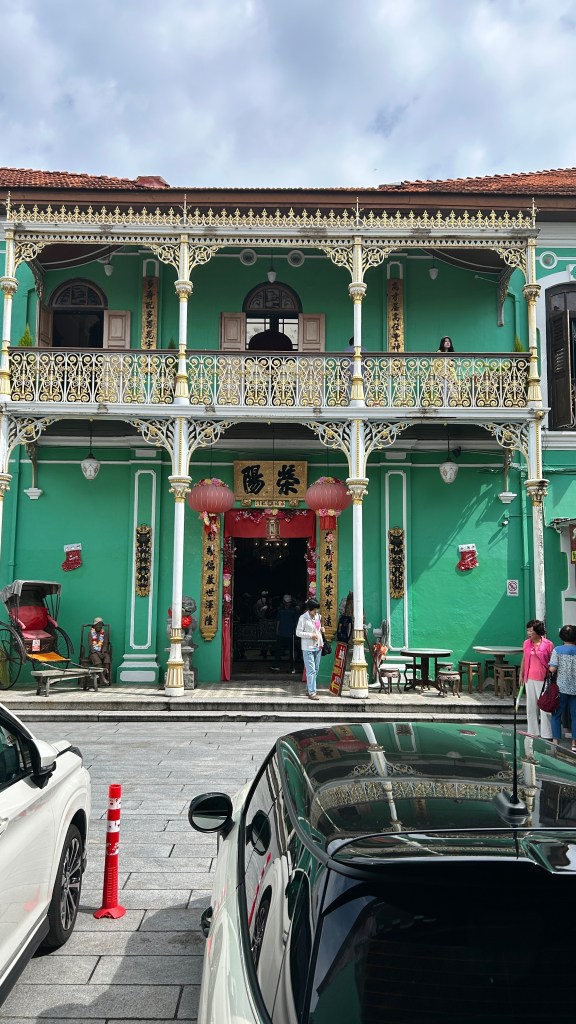
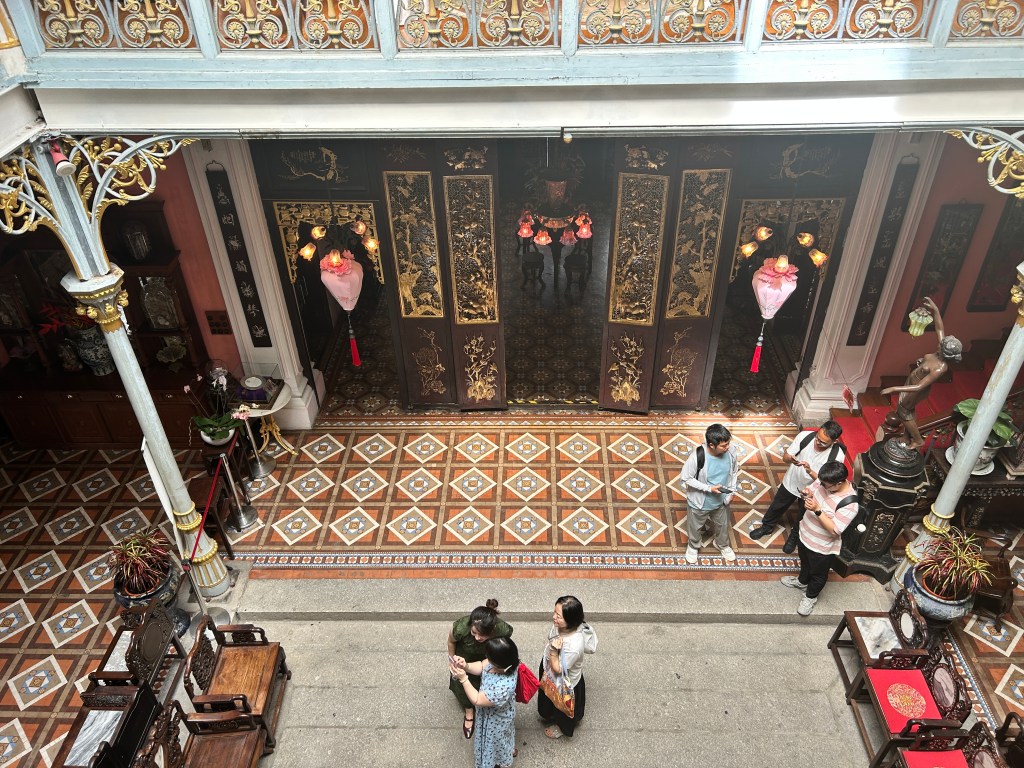
The mansion is a museum for Penang’s Penarakan heritage. When the Chinese started coming over to Penang in the 1700 and 1800’s, women were not allowed to leave China by Royal Decree. The men interacted with, and married local women and the community became known as Penarakans or Baba’s and Nyonya’s. Over generations, they developed a rich hybrid culture, blending Chinese traditions with Malay customs and European influences from the colonial era. This unique fusion is reflected in their fashion, language, cuisine, and architecture.
I had heard of Nyonya cuisine but I didn’t realise what it actually meant and I didn’t know Baba’s were the males and Nyonya’s the women!
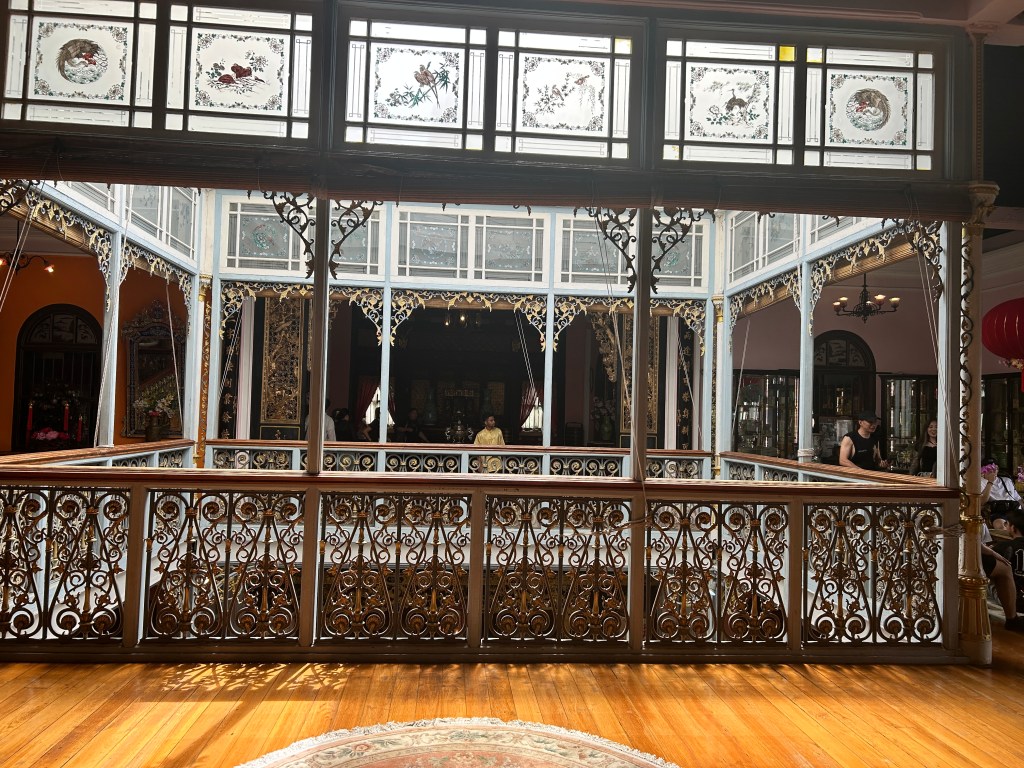
The mansion is the typical home of a rich Baba of a century ago is recreated to offer a glimpse of their lifestyle and of their many customs and traditions. It has a unique , eclectic style, very colourful and opulent, showing how the Penarakan’s liked to live and enjoy life incorporating Chinese carved-wood panels and English floor tiles and Scottish ironworks.

So, this post has given a bit of a flavour of Penang and my time there, I say there as I arrived in Langkawi today! It was tipping down when I left and I am now sat in the hostel common room as it is tipping down here too. Will stop soon I am sure and then I will head out to the duty free shops (?) to buy some wine!!
I will write another post soon and it will be based around all the lovely food I have been having, I think that I have taken pictures of every dish that I have eaten.
I must think of a phrase that I can use to sign off with, suggestions welcome!


 Adventures of Nisha